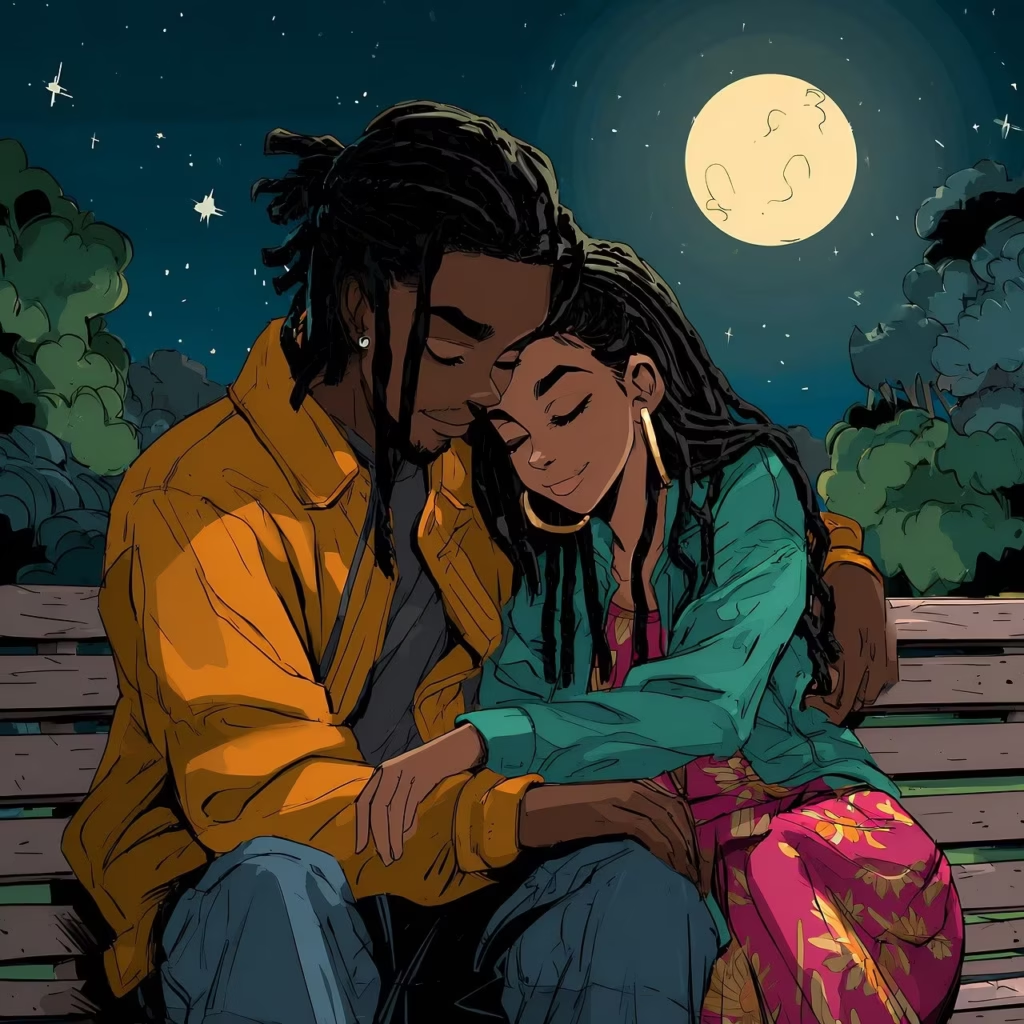
Online dating vs traditional dating
While dating apps have become a popular platform for meeting new people, I would argue that they are not as good to build meaningful relationships. In fact, when compared to traditional dating—where relationships often grow through natural interaction, shared social environments, or mutual connections—dating apps reveals several significant drawbacks that can limit its usefulness.
The superficial dating culture
One of the most evident issues is that dating apps heavy emphasis on appearance. Users have to make decisions within seconds, typically relying on photos rather than personality or genuine interaction. This superficial dating culture removes many of human aspects and that play a role in seduction and interaction.
Dating apps simply reduces initial attraction to a quick visual assessment, which can create a culture of superficiality and unrealistic expectations, ultimately leading to short term relationships, narcissist thoughts and self-esteem issues.
The choice overload
Dating apps offers an endless stream of profiles, which can give the illusion that something “better” is right at the next corner. This choice overload can make people less willing to invest time or effort in developing a meaningful connection. On the contrast, traditional dating, involved fewer potential partners but richer interactions. Meeting someone through friends, school, work, or community activities often encourages individuals to engage more authentically.
Communication quality, ghosting and self-steem
Communication quality also tends to suffer on dating apps. This is noticeable as many conversations begin and end abruptly, with ghosting becoming a normalized behavior. Ghosting causes might be complex buy may simply rely in new potential partner found or lack of true interest in the first instance. The problem here is that the ease of disappearing behind a screen can make the dating experience feel unstable and emotionally draining.
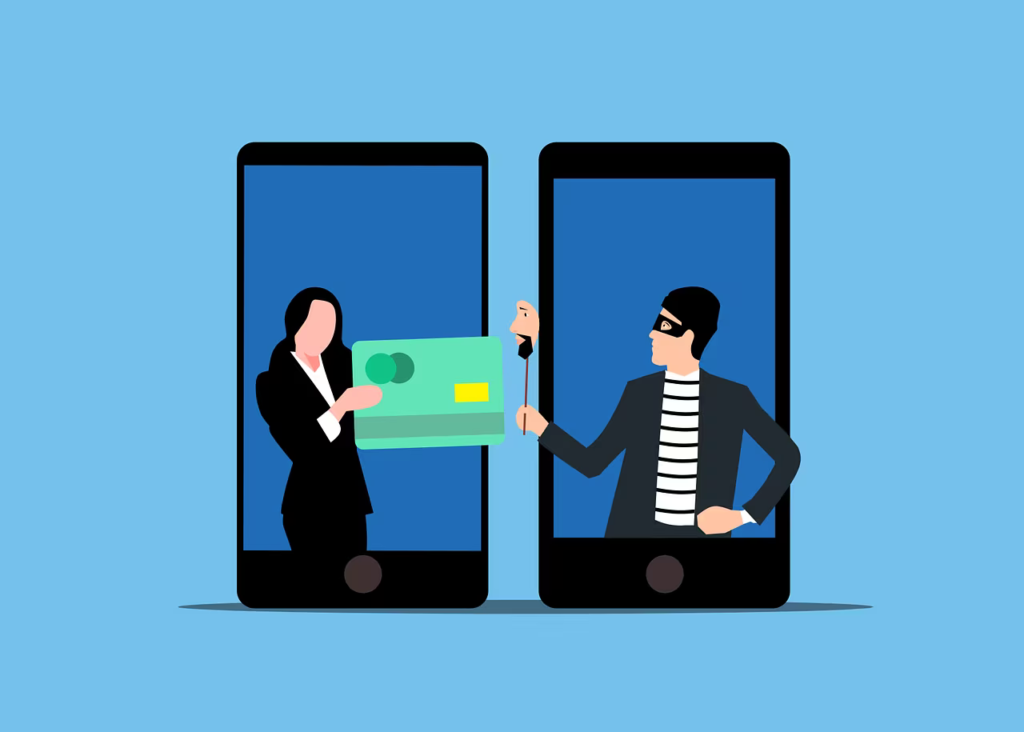
Ultimately, dating apps can create a distorted sense of self-worth. The app’s structure encourages users to seek validation through matches and messages, and, to get as many as possible, profiles tend to be more and more sophisticated; being not uncommon to see users getting pictures taken by professionals and profile built alike. Taking into account that the very first idea of these dating apps was to make it easier for people to meet partners outside their usual social circles, it can be seen that this is going not exactly as planned for most of the cases.
Some users will simply use dating apps to build self-steem. This is based on how successful their dating profiles are, sometimes no mattering how low-quality the matches are, and not being about quality but quantity. Worst scenario is that all this undermines users authenticity, creating a cycle of comparison and insecurity. On the other hand, traditional dating reinforce compliments, shared moments, and real-time interactions that build confidence gradually and genuinely.
Final thoughts
In conclusion, while is true that dating apps offer some convenience, often encourage superficial decision-making because users judge one another mostly through photos and brief profiles. They could make people feel overwhelmed or less committed due to the endless pool of potential partners. Communication can be inconsistent, with ghosting and short, low-effort conversations becoming common. All this could potentially affect self-stem by tying validation to how successful is user dating profile. . Traditional dating may lack the speed and broad access of online apps, but it offers deeper, more genuine interactions that many people ultimately find more fulfilling.