Human beings have always searched for the perfect place to call home — a place where comfort, opportunity, beauty, and peace coexist. From bustling cities filled with innovation to tranquil countryside landscapes, all us dream of finding that one location that meets all our needs.

Why the perfect place doesn´t exist?
All of us have e have different needs and priorities. For some, a perfect home might mean being close to family and community. For others, it could mean living near a beach,
in a vibrant city, or surrounded by mountains. Even within one person’s life, these preferences can change over time. Now , this is “change over time” is very important. A young adult may seek career opportunities in a big city, while an older person may crave peace and quiet in a small town. I know though cases of young adults that love living in a quiet and small town , at the cost of no such big job opportunities as in big cities and more limited social events and activities to do. Since us value different things — from weather and culture to cost of living and safety — no single place can fulfill everyone’s definition of “perfect.”
Why most people simply live in their hometowns?
My thoughts in this is what truly makes a place feel like home often depends more on the people, relationships, and memories we build there than on external conditions. When we feels connected and purposeful can find contentment in many different environments, even those others might consider far from perfect. For most of us this simply means that we have bonds with our hometown and like it as it is, no mattering the external conditions. For some individuals this is hard to overcome so they will be unable to move to other places even when the external conditions seems better than their hometowns.

External conditions and external factors
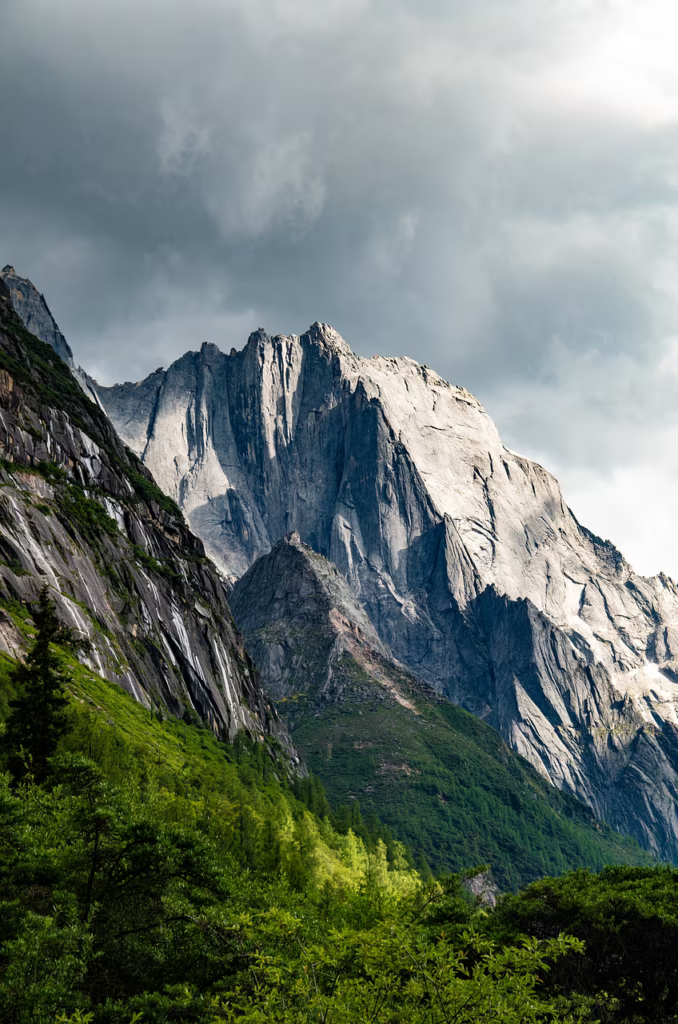
Nature and geography are imperfect. I noticed how every location comes with trade-offs. Beautiful coastal towns weather in winter might be not so great depending on the place. Worst scenario may face hurricanes or flooding. On the other hand, while mountain villages may offer breathtaking views, suffer from isolation during winter and actually there is not much to do unless you are really into winter sports and have a car. Big cities might provide
access to education and culture but struggle with pollution and high living costs. In summary, every place offers advantages, but have drawbacks.
Conclusion
My thoughts are that the perfect place to live doesn’t exist because perfection itself is subjective, and yes, every location have advantages, but have drawbacks also. We have to consider also that our definition of perfect place will for sure change when seen as a teenager, young adult or elderly. Ultimately , it is not the place that makes life perfect, but the way we choose to live within it.